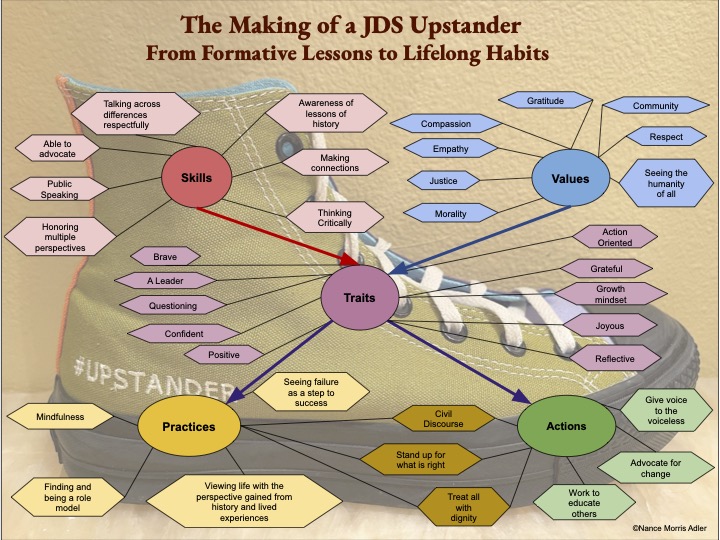

But how do you know? by Nance Morris Adler
December 15, 2025
Day School Affordability & The Catholic School Model
March 26, 2026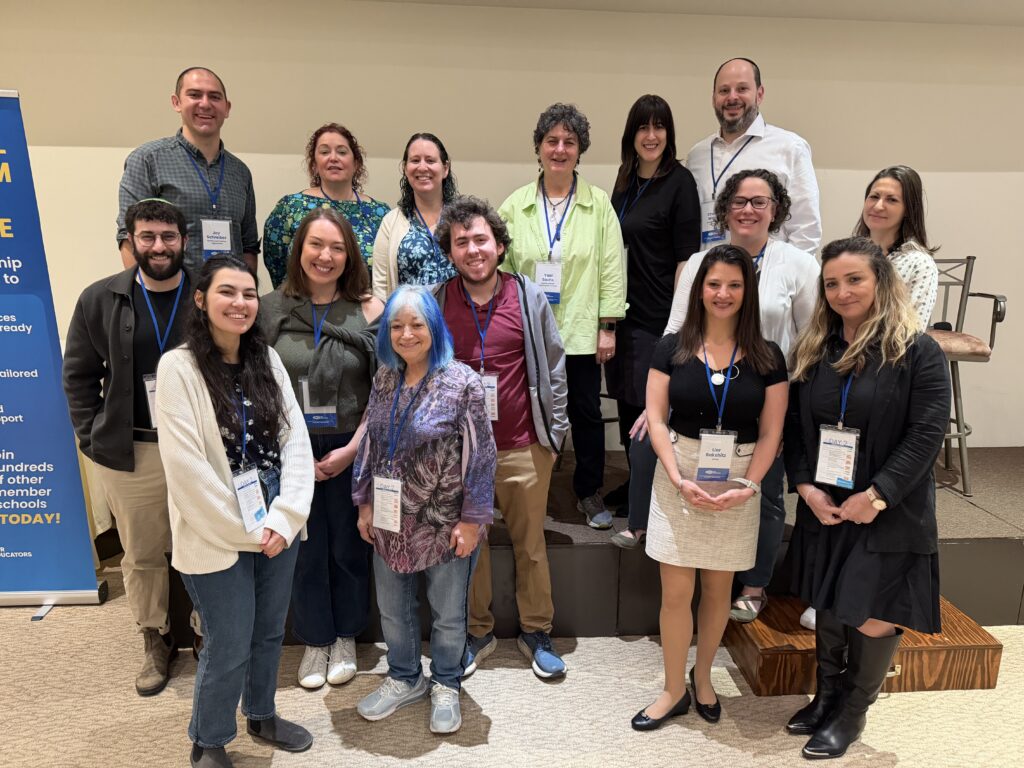
by Ariel Lapson and Melissa Rivkin l February 2026
What happens when 130 Jewish educators from across the United States and Canada gather to rethink how we teach about Israel?
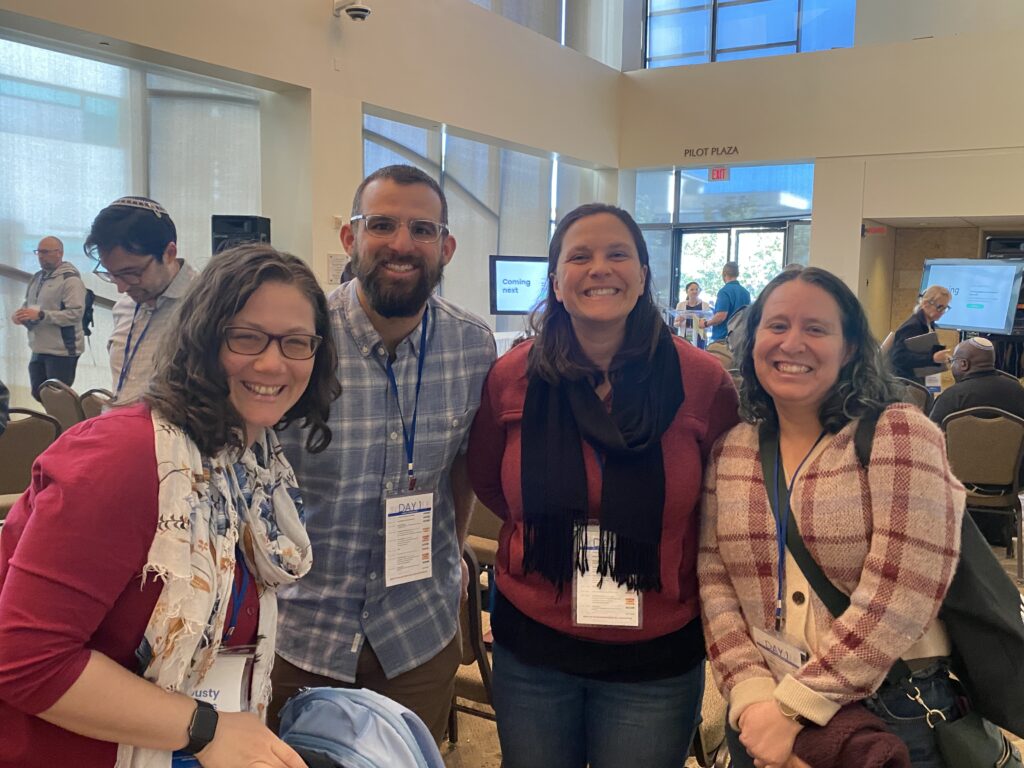
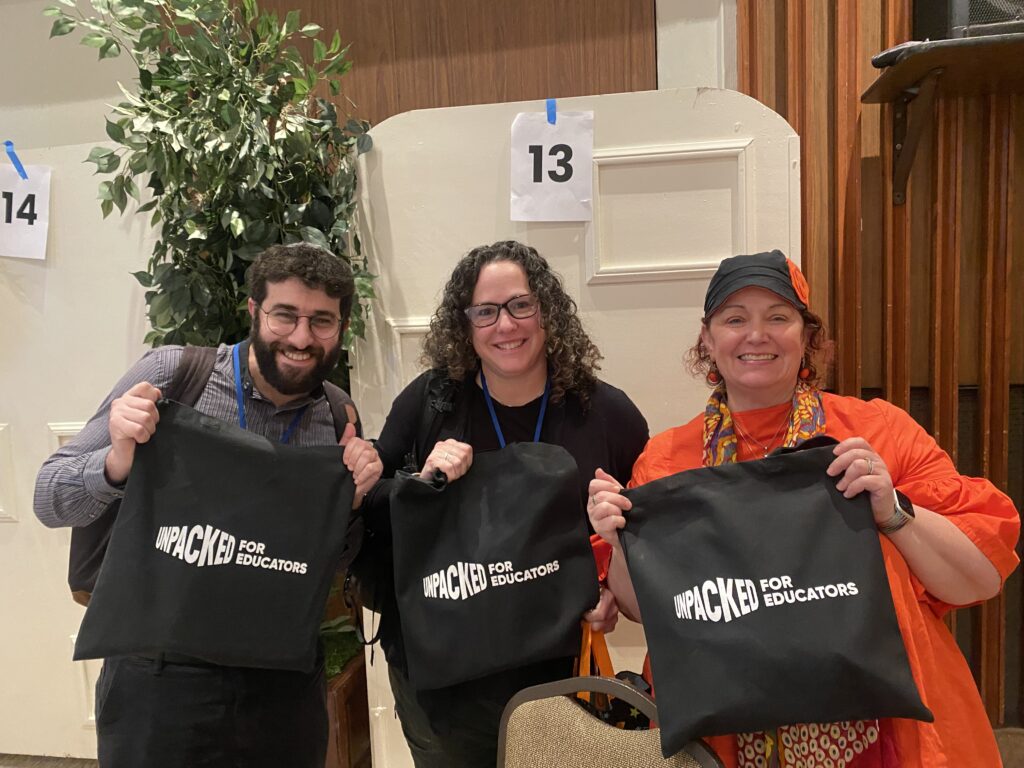
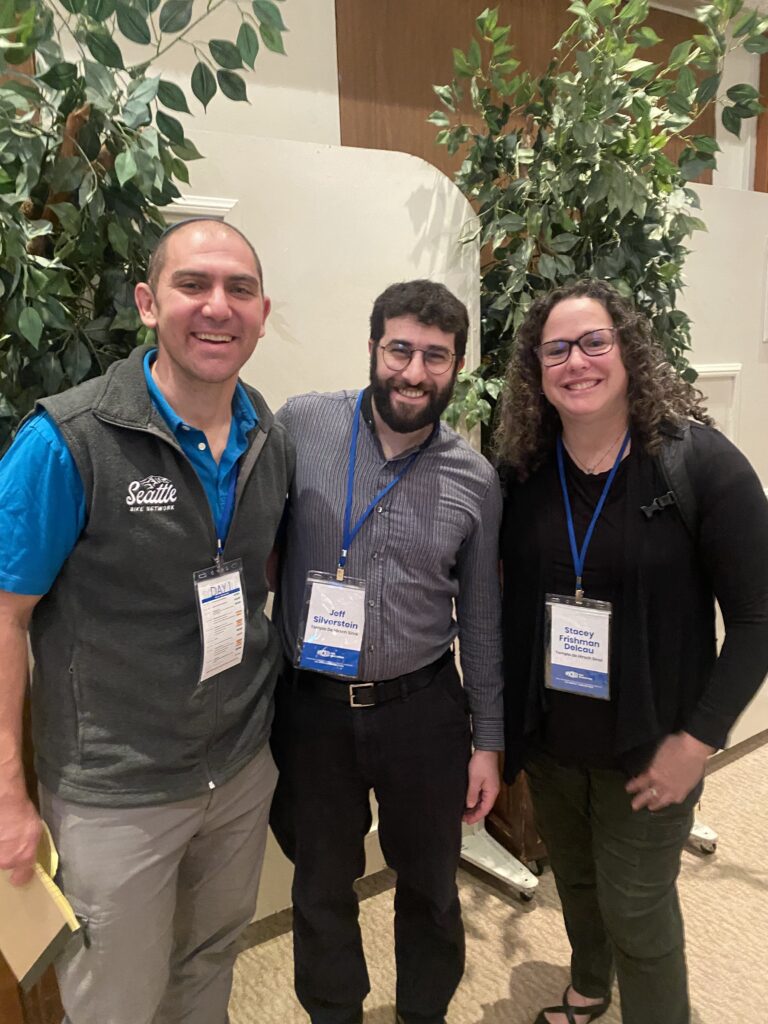
In February, 19 educators from Seattle joined that conversation at the Unpacked for Educators (OpenDor Media) Israel Education Conference, “Navigating Israel education in a changing landscape.” Together with colleagues from day schools, synagogues, camps, and youth movements, they spent two days addressing an urgent question:
How do we prepare Jewish young people to engage with Israel and all its associated complexities, with confidence, knowledge, and moral clarity?
At its core, this work begins from a clear premise: Israel is the historic and modern homeland of the Jewish people, and Jewish self-determination is foundational to contemporary Jewish identity. The question is not whether that is true — but how we ensure the next generation can articulate it thoughtfully and confidently.
Across North America, research tells a consistent story. Many Jewish teens report feeling emotionally connected to Israel. Yet when asked to define key terms, explain foundational historical moments, or respond to accusations, that confidence can falter without a solid foundation of knowledge.
Connection alone is not enough. Information alone is not enough.
Young people need both — grounded knowledge and a lived sense of belonging — to navigate college campuses, social media, and civic spaces with steadiness and strength.
Seattle’s delegation reflected the breadth of our community. Educators came from 11 organizations spanning denominations and settings: Camp Solomon Schechter, Herzl Ner Tamid, Congregation Beth Shalom, Temple B’nai Torah, Temple De Hirsch Sinai, BBYO, Jewish Day School, MMSC Day School, Northwest Yeshiva High School, Seattle Hebrew Academy and Seattle Jewish Community School.
That breadth wasn’t incidental — it was foundational.
Israel education does not happen in only one setting. It happens in classrooms, youth lounges, around campfire circles, and in congregational spaces. Each setting shapes identity differently. When educators across those settings build shared language and shared frameworks, students encounter educational reinforcement rather than fragmentation.
Several themes echoed throughout the conference:
We cannot teach Israel as a silo, but rather it must be integrated within the broader Jewish educational curriculum.
We must introduce and support our students to grapple with complex topics related to Israel early enough to ensure they are provided a safe and nurturing environment to explore, ask questions, and develop analytical thinking skills. That requires sustained, developmentally appropriate learning that grounds students in Jewish history and peoplehood, builds confidence and moral clarity, and equips them to hold and engage with complexity.
Proactive Israel education means being intentional about what students should leave with — the ability to articulate foundational historical anchors, understand Zionism as the historically successful Jewish national movement, distinguish between critique and delegitimization, and engage with disagreement without surrendering moral clarity.
Educators explored how to balance content, complexity, and connection. They debated what is essential, what should spiral developmentally, and how to teach pride without oversimplification.
If we do this well, a student who encounters a hard question on campus will not freeze. A teen scrolling social media will recognize distortion. A young adult will be able to speak about Israel not only from emotion, but from knowledge.
Jewish day schools may have more structured time to build sustained historical literacy. Camps and youth movements cultivate belonging and lived identity. Synagogues foster community and intergenerational conversations. Each setting plays a distinct role. Together, they form a resilient ecosystem for Israel education.
For Samis, supporting participation in this gathering was not about a single conference. It was about strengthening educator capacity and deepening cross-institutional collaboration in Seattle.
Nineteen educators returned with tools, deepened relationships, and shared purpose. In a moment when Jewish and Israel literacy and civic confidence matter more than ever, that alignment is essential.
Israel education is not a program. It is a long-term investment in resilience, clarity, and communal strength.
Seattle is leaning in — together.
Ariel Lapson is the Senior Program Officer for Experiential Education and Director of Grants Management at Samis and Melissa Rivkin is the Director of Day School Strategy at Samis.